Abstract:This article examines the politicization of pedagogical education in Soviet Georgia between 1921 and 1932, focusing on the transformation of educational thought under Bolshevik rule. Drawing on archival materials, government decrees, pedagogical textbooks, and works by Georgian and international educators, the study explores how Soviet ideological imperatives reshaped educational policies, teaching methods, and pedagogical theory. Particular attention is paid to the adaptation and reinterpretation of American and European educational models, including the ideas of John Dewey, within the Soviet ideological framework. The article argues that the early Soviet period was characterized by intensive pedagogical experimentation; however, these innovations gradually became subordinated to Marxist-Leninist ideology and political objectives. The study demonstrates that the increasing politicization of education contributed to the centralization of educational governance, the marginalization of alternative pedagogical approaches, and the establishment of a unified Soviet educational model aimed at shaping the “new Soviet citizen”. The findings contribute to a better understanding of the relationship between education, ideology, and nation-building in Soviet Georgia during the formative decades of Soviet rule.
Abstract:This article examines the encounter between the future French writers Alain Robbe-Grillet, Claude Ollier, and Daniel Boulanger and the Bulgarian interpreters and translators Vera Mutafchieva and Donka Melamed during the international youth brigade in the village of Divotino, Bulgaria, in August 1947. Combining a microhistorical approach with prosopographical analysis, the study reconstructs their biographies and explores the role of translation and interpreting as forms of cultural mediation in the international contacts of the early socialist period. The analysis draws on archival documents, early participant testimonies, memoir literature, and oral history, allowing for the cross-examination of sources of different provenance and character. A particular contribution of the study is the identification of the enigmatic interpreter “D.” (“D.M.”), mentioned in the memoirs of Robbe-Grillet and Vera Mutafchieva, as Donka Melamed. Using archival materials, photographs, and an interview with her daughter Galina Melamed, the author reconstructs Melamed’s biography and restores her place within the history of post-war cultural exchanges. The international brigade movement is interpreted as a social space in which members of the same post-war generation experienced a shared historical moment in different ways. The article demonstrates that the combination of microhistory, prosopography, and translation history can illuminate previously overlooked aspects of international cultural contacts in Bulgaria during the second half of the 1940s.
Keywords: international youth brigades; French brigade; translation and interpreting; Alain Robbe-Grillet; Vera Mutafchieva; Donka Melamed.
Declaration by Authors
Ethical Approval: Approved
Conflict of Interest: The authors declare no conflict of interest.
TIME AND TIMELESSNESS IN THE BALKANS (EVERYTHING I KNOW ABOUT TIME FROM GORAN PETROVICH)
Abstract:The article focuses on the idea of the transitory and indefinite character of the Balkans, perceived as marginal in many works written in Western Europe, as the “unfinished” Other of Europe. Through the story of Goran Petrovic, the idea of the timelessness of the Balkans, the idea of the completeness of an existence, is made meaningful. Although the story presents us with only a fragment of human existence, it conveys a sense of completeness and serves as an aphorism. But an aphorism that depicts the hiatus of the human, the zero, the emptiness that time carries. Because it is also in the swallows that disappear into the sky, and in the man who measures time through his shadow, and in the severed human parts. “All I Know About Time” sees writing – reading as an escape from the limitations of external existence, a transformation of reality, a way for the gloomy life to be transformed into something meaningful and significant, into a refuge from the outside world, by transforming it into a work of art. This is a text about the meaning of staying, about the gift that we receive, but also that we leave as a legacy to our children, here, in the Balkans.
Keywords: Balkans; time; timelessness; writing; transformation of reality.
Declaration by Authors
Ethical Approval: Approved
Conflict of Interest: The authors declare no conflict of interest.
Abstract:Through analysis of selected excerpts from Ledia Xhoga’s 2025 novel Misinterpretation, this article uses the experiences and observations of the novel’s nameless narrator, a thirtysomething community interpreter of Albanian origin now living in New York, to determine how generational perspectives are depicted in the work. The article summarises some definitions and overviews relating to the notion of generations and the often-indeterminate nature of the concept, before linking these to the broader Albanian sociocultural context in which the narrative largely occurs. Through textual analysis, the article then continues by presenting the narrator’s relationships with three key characters in the novel: her mother, her cousin, and her husband. In the first case, the narrator’s complex relationship with her only surviving parent is symbolised by their opposing worldviews and degrees of receptiveness towards new and different experiences. In the second case, a revealing conversation with a third party serves to contrast the narrator’s socioeconomic and personal outlook with that of her more practically-oriented cousin, who is a recent arrival in the United States via the green card lottery. The final case study demonstrates some of the pervasive challenges between the narrator and her wealthy American husband, showing how the application of a generational perspective can also accentuate latent intercultural and economic differences.
Keywords: Albania; community interpreter; International Booker Prize; New York; transfiction; 21st century literature.
Declaration by Authors
Ethical Approval: Approved
Conflict of Interest: The authors declare no conflict of interest.
Abstract:This article examines the relationship between literary generations in nineteenth-century Georgia through the well-known confrontation between the “fathers” and the “sons” during the 1860s–1870s. Focusing on the literary, cultural, and ideological debates between representatives of the older generation, most notably the romantic poet Grigol Orbeliani, and the younger generation led by the realist writer Ilia Chavchavadze, the study explores how generational conflict became a catalyst for broader social and cultural transformation. Particular attention is paid to disputes over language reform, literary aesthetics, education, and the future development of Georgian society. Drawing on literary works, publicistic writings, and contemporary debates, the article argues that the victory of the younger generation contributed to the democratization of the Georgian literary language, the strengthening of realist literature, and the formation of a modern national consciousness. The study demonstrates that the conflict between literary generations reflected wider processes of modernization and Georgia’s integration into contemporary European intellectual and cultural currents.
Keywords: literary generations; fathers and sons; Ilia Chavchavadze; Georgian literature; cultural modernization; nineteenth-century Georgia.
Declaration by Authors
Ethical Approval: Approved
Conflict of Interest: The authors declare no conflict of interest.
Selin Başer Özgen Department of Crimes against Humanity, International Institute for Genocide and Crimes against Humanity, İstanbul University (Türkiye) [selinbaser@istanbul.edu.tr], ORCID ID: 0000-0003-1267-6254
Melek Aylin Özoflu Department of Crimes against Humanity, International Institute for Genocide and Crimes against Humanity, İstanbul University (Türkiye) [melek.ozoflu@istanbul.edu.tr], ORCID ID: 0000-0002-9403-6957
Apak Kerem Altıntop Department of Genocide, International Institute for Genocide and Crimes against Humanity, İstanbul University (Türkiye) [kerem.a@istanbul.edu.tr], ORCID ID: 0000-0002-6854-1378
Abstract:In the aftermath of the Srebrenica genocide, the International Criminal Tribunal for the former Yugoslavia (ICTY) played a pivotal role in the development of international criminal law, delivering landmark judgments and establishing individual criminal responsibility for atrocity crimes. These judicial processes addressed certain demands for accountability and, for some victims, contributed to a sense of justice. Yet legal adjudication was only one dimension of the post-genocide landscape. This paper examines the relationship between international criminal justice and community-led healing processes in post-Srebrenica Bosnia and Herzegovina (BiH). While the ICTY pursued accountability through formal legal mechanisms, affected communities simultaneously developed their own practices of remembrance, mourning, and social repair, often outside institutional frameworks. Drawing on the Srebrenica case, the paper asks how these parallel processes have been positioned within collective memory, and which forms of justice and healing have occupied a more sustained role in shaping post-genocide social recovery. The paper argues that while ICTY judgments were crucial in establishing legal truth and combating denial, they were not sufficient to address the broader needs of social healing. Grassroots initiatives, commemorative practices, and everyday acts of remembrance played a more sustained role in shaping how justice and reconciliation were experienced at the societal level. By comparing international criminal adjudication with local healing practices, the paper highlights the limits of legal justice and underscores the importance of community-driven processes in post-genocide societal reconciliation.
Keywords: Srebrenica genocide; Bosnia and Herzegovina (BiH); transitional justice; collective memory.
Declaration by Authors
Ethical Approval: Approved
Conflict of Interest: The authors declare no conflict of interest.
Abstract:Our research is based on published archival documents of the State Security (DS) related to youth (the age range is from children of 15 years old to adolescents of 19 years old), with students and young ‘scientific-technical’ and ‘artistic-creative’ intelligentsia also being subjects of operational interest. Despite privileges and total surveillance, propaganda, and repression, the youth do not comply and exhibit active and passive resistance, rejecting the identity prescribed by the communist Newspeak as the ‘cheerful Dimitrov’s coming generation.’ Underground youth communities create their own alternative jargon and subculture, crossing the Iron Curtain in harmony with youth movements in the West. The analysis of underground youth discourses reveals alternative meanings and identities, social sobriety and protest, artistic and real escapes beyond the fences of the socialist camp. In the disenchanting world of real socialism, young people also respond with protest through what the Party cannot take from them – the body and its pleasures, even going as far as prostitution and violence. The young intelligentsia, toward which the State Security is particularly suspicious, increasingly provokes the dogmas of the artistic method of socialist realism and scientific communism. Under conditions of total propaganda and censorship, free thought can divert the meaning of ideological messages, ironize them, and find alternative, albeit risky, ways to express itself.
Keywords: youth; communism; newspeak; state security.
Declaration by Authors
Ethical Approval: Approved
Conflict of Interest: The authors declare no conflict of interest.
Abstract:This article explores the intergenerational transmission of political trauma and morally ambivalent positioning within a Romanian family marked by repression, surveillance, and forced silence under communism. The Pușchilă family ‒ comprising three generations of architects ‒ serves as a microhistorical case study of how state violence, surveillance, and forced silence affected not only individuals but also family dynamics, identities, and vocational choices. The patriarch, Ioan Pușchilă, was imprisoned between 1949 and 1956, in the aftermath of the establishment of the communist regime. His wife, Marcela, and later his son, Ion, were both formally approached and recorded as recruits in Securitate paperwork; however, in the archival record examined here, there are no documentary traces of sustained informant activity (e.g., informative notes, reports of meetings, operational outputs) that would allow a substantiated assessment of the content or effects of such recruitment. This study refrains from moral judgment, focusing instead on the contexts of constraint, fear, and negotiation that shaped these ambivalent positions. Drawing on archival documents (criminal, surveillance and informant files from the CNSAS, and a long-form interview with Ana Pușchilă (daughter and keeper of the family memory), the article analyzes how silence, not speech, became the main vehicle of trauma and loyalty. It engages with theoretical frameworks such as postmemory (Marianne Hirsch), the ethics of care (Carol Gilligan), and microhistory (Ginzburg, Levi), proposing a multidimensional understanding of what it means to survive ‒ ethically and emotionally ‒ under authoritarian control. Ultimately, the Pușchilă case suggests that key moral and affective dispositions are transmitted less through explicit narration than through tacit communication rules, everyday risk-management practices, and patterned forms of family cohesion under surveillance.
Keywords: political repression; postmemory; intergenerational trauma; family ethics; Securitate archives; silent practices; microhistory.
Declaration by Authors
Ethical Approval: Approved
Conflict of Interest: The authors declare no conflict of interest.
Роден е на 25 септември 1969 г. в София. Средното си образование завършва в Перник, а висшето – в Югозападния университет „Неофит Рилски“, специалност Българска филология. След като защитава докторска степен по културология и спечелва конкурс за главен асистент в едноименната катедра на университета в Благоевград, той поема значима академична и културна мисия в чужбина, която го отвежда в сърцето на българската диаспора. Професионалният му път включва дългогодишна преподавателска дейност в университети в Молдова, Беларус, Румъния и Унгария. Този пряк контакт с нашите сънародници и другите етнокултурни общности в чужбина, в съчетание с неговия обширен теренен опит, го утвърди като водещ специалист по въпросите на етническата идентичност, езиковото функциониране и съхраняването на културната памет в Северното Причерноморие и Бесарабия.
Научното наследство на гл. ас. д-р Григор Григоров се отличава с широк обхват и подчертан интердисциплинарен подход, развит около две основни изследователски теми. Първата е посветена на културната история на тялото и медицината в славянските и балканските земи, анализирана чрез средновековната и ранномодерната писмена традиция. Работата му в тази област, синтезирана в монографията „Човешкото тяло според ръкописните книги лековници“, разглежда човешкото тяло като културен феномен. Той изследва как символиката на цветовете, употребата на сетивата и невербалните изражения на идентичност са били закодирани в ръкописите-лековници. Този подход, съчетаващ фолклористика, текстология и историческа антропология, разкрива устойчиви представи за здраве, болест и ритуал в българската писмена култура.
Втората значима линия в неговите изследвания е концентрирана върху българските и гагаузките общности в Бесарабия и Северното Причерноморие. Д-р Григоров има съществен принос в документирането на езиковото и културното функциониране на българския език в Молдова, както и в анализирането на сложната национална и езикова идентичност сред гагаузите. Публикациите му обхващат теми като езиковото развитие, паметта за преселението, етноутвърждаващите идеи и ролята на културни дейци в региона. Чрез този обширен теренно базиран анализ, той допринася за разбирането на малцинствените култури, междукултурния диалог и динамиката на паметта в граничните пространства. Завършена е книгата му „Културна история на бесарабските гагаузи“, чието второ издание подготвят съпругата му Оля и негови съмишленици.
Изследователският му път е неотделим от активната му роля като преподавател по български език и литература в чужбина. Той работи в университети в Молдова, Беларус, Румъния и Унгария, като този опит му позволява да живее и общува пряко с българската диаспора и с другите култури в региона. Тези продължителни престои не са просто академичен ангажимент, а мисия за културно взаимодействие, което обогатява изследванията му с живи впечатления и пряк контакт с темата. По време на тази дейност, той съставя сборници и участва в инициативи за укрепване на връзките между България и местните общности, като същевременно спомага за съхраняването и популяризирането на кирило-методиевските традиции и българския език. Особено запомнящо се години след това е пълнокръвното му присъствие в Букурещкия университет и сред българите в районите на румънската столица и Банат, където той беше приет като събрат.
В Молдова Григор преподава едновременно в Комрат – столицата на независимия район Гагаузия, и в Тираспол – столицата на непризнатата Приднестровска република. Личните му впечатления от периода са събрани в книгата „Комратското тефтерче: Културно-антропологични записки от Молдова“ (2010). Тя съдържа фрагментарни записки и размисли, водени в личния му бележник, които имат документална стойност. „Тефтерчето“ отразява задъхания му живот сред българската диаспора и гагаузката общност в Молдова, предлагайки по-сложен и нюансиран поглед от стереотипите, с които често се мисли за тези сънародници. То е опит да се погледне на собствената култура „през очите на диаспората“, превръщайки личния му престой в ценен източник на антропологично познание за средата и хората, които го заобикалят.
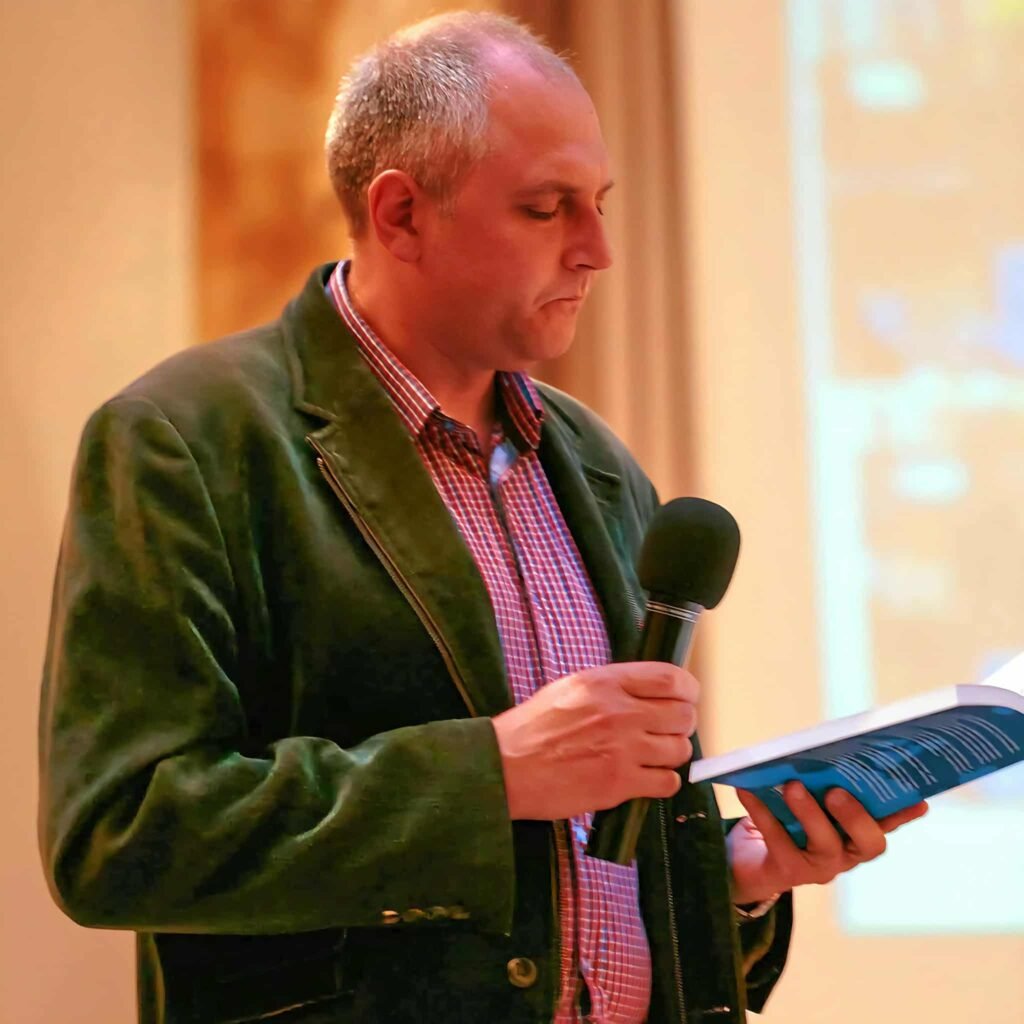
Григор ни напусна внезапно на 12 юни 2025 г. Беше човек с изключително широки научни интереси, необозрими културни познания, дълбоко житейско любопитство към всеки човек и всяка тема и учудваща липса на каквато и да е суета. Неговата работа е пример за това как хуманитарната наука може да бъде жива, теренна и проникващо интердисциплинарна. Неговото наследство е урок по чиста ерудиция и човешка доброта и споменът за неуязвимата му усмивка, дръзновения му дух, любовта към музиката, пътя, хората и живота е енергия, която ще продължава да свързва и вдъхновява всички, които го познаваха.
Библиография на гл. ас. д-р Григор Бориславов Григоров
Дисертация
Григоров, Г. (2002).Културата и тялото в ръкописните книги-лековници [Дисертация].
Монографии и съставителства
Григоров, Г. (2010).Комратското тефтерче: Културно-антропологични записки от Молдова. София: ДТМ Студио.
Григоров, Г. (2019).Човешкото тяло според ръкописните книги лековници. Благоевград: Югозападен университет „Неофит Рилски“.
Григоров, Г.Културна история на бесарабските гагаузи [под печат].
Григоров, Г. (съст.). (2007).Българи и гагаузи – заедно през годините: Материали от петата и от шестата международни научни конференции… В. Търново: Знак 94.
Статии в научни списания
Григоров, Г. (2001). Средновековната лечителска идеология и символиката на веществата. В: Асклепий. Международно списание по история и философия на медицината / Asklepios. International Annual for History and Philosophy of Medicine, 14, 62–64.
Grigorov, G. (2002). Kultur und Körper in medizinischen Texten aus dem „spätmittelalterlichen Bulgarien“. In: Historische Anthropologie. Kultur – Gesellschaft – Alltag, 10(1), 101–106.
Григоров, Г. (2002). Присъствие и значение на цветовете в писмената средновековна медицина. В: Годишник на Факултета по изкуствата, Т. 1, 211–215.
Григоров, Г. (2007). Начало гагаузской литературы. В: Лукомор’я, 1, 162–173.
Григоров, Г. (2008). Родословие и националност при бесарабската фамилия Чакир. In: Balkanistic Forum, 1-2, 251–261.
Григоров, Г. (2009). Невербални изражения на християнската идентичност в условията на ранното ислямско завладяване (по данни на Рилска повест от Владислав Граматик). В: Годишник на Асоциация „Онгъл“, 8, 64–74.
Григоров, Г. (2009). Памет и забрава за преселението при българските общности в Бесарабия. In: Balkanistic Forum, 1-3, 222-230.
Григоров, Г. (2009). Гагаузи в Османській імперії – непомітна присутність. В: Лукомор’я, 3, 236–257.
Григоров, Г. (2011). Местоположението на град София според агиографската литература от ХVІ в. В: Годишник на Асоциация „Онгъл“, 11, 284–296.
Григоров, Г. (2011). Мълчаливите улици и уличният език в Беларус. In: Balkanistic Forum, 3, 142–147.
Григоров, Г. (2012). Бесарабия в периферията на азбуките. In: Balkanistic Forum, 1, 81–91.
Григоров, Г. (2012). Местонахождението на София в агиографската литература от ХVІ в. В: Годишник на Асоциация „Онгъл“, 10, 282–295.
Григоров, Г. (2013). Eзик и етнос в Беларус. В: Годишник на Асоциация „Онгъл“, 11, 80–90.
Григоров, Г. (2013). Мистификация и етноутвърждаваща идея в първата гагаузка история. В: Годишник на Асоциация „Онгъл“, 12, 64–75.
Григоров, Г. (2014). Николай Червенков на 65 години. В: Българистика/Bulgarica, 28, 109–113.
Григоров, Г. (2014). Похвала за Поклонението: Или опит за споделяне на преживяното от посещенията на Света гора и Камино де Сантяго. В: Български фолклор, 40(2), 170–179.
Grigorov, G. (2014). Mystique and ritual of the early modern medical and culinary recipes in Bulgaria. In: Revista de etnologie si culturologie, 16, 5–9.
Grigorov, G. (2015). Câteva aspecte despre sfinții bulgaro-români din secolele XIV-XVIII.In: Analele Universității Hyperion. Istorie, 21–27.
Григоров, Г. (2020). Петър Драганов – известен в Молдова, Александър Балан известен в България. In: Ştiinţă, educaţie, cultură, 4, 131–136.
Григоров, Г. (2021). Музей и диалект. В: Известия: Регионален исторически музей – Русе, 36–41.
Статии в сборници и книги
Григоров, Г. (1999). Съвременната култура на Истанбул през погледа на български търговци. В: Тотев, T. (съст.), Турският фолклор в България / Bulgaristan Turk Folkloru,. 229–234. Шумен: УИ „Епископ Константин Преславски“.
Григоров, Г. (2005). Атанас Стоев – български Приднестровски поет. В: Панкрушев, B. A. (сост.), Современные процессы межкультурного взаимодействия и языковая практика, 378–380. Тирасполь: Издательство Приднестровского университета.
Григоров, Г. (2006). Баладата „Хаджи Димитър” в Бесарабия. В: Дерменджиев, А. Х. (съст.), Българите в северното Причерноморие: Изследвания и материали, T. 9, 373–378. В. Търново: ВТУ „Св.св. Кирил и Методий“.
Григоров, Г. (2007). „По националност съм гагаузин, макар и с чисто българско име…“. В: Григоров, Г. (съст.), Българи и гагаузи – заедно през годините, 224–229. В. Търново: Знак 94.
Григоров, Г. (2007). Българският език в Комратския университет в навечерието на 24 май през 2006 г. В: Григоров, Г. (съст.), Българи и гагаузи – заедно през годините, 9–13. Комрат: Знак 94.
Григоров, Г. (2007). Кирило-Методиевски традиции в гагаузкото просвещение. В: Григоров, Г. (ed.). Българи и гагаузи – заедно през годините, 168–175. В. Търново: Знак 94.
Григоров, Г. (2008). Св. Иван Рилски и река Струма. В: Ковачев, М. (съст.), Краеведски публикации в литературния алманах „Струма“ през периода 1982–2007 г., 209–216. Перник: Астарта.
Григоров, Г. (2009). Апология за благодатния труд на самоукия диалектолог или защо тази книга е важна [Предговор]. В: Младенов, А. Трънските думи: Речник на регионалния говор, 7–11. София: ДТМ / Изток-Запад. (2011 – 2 изд., 2015 – 3 изд.)
Григоров, Г. (2009). Българите в АТО Гагауз Ери в Република Молдова. В: Чередниченко, А. & Дерменджиев, А. Х. (съст.), Българите в Северното Причерноморие, 345–352. В. Търново: Фабер.
Григоров, Г. (2009). Българският език в Молдова – история и съвременност. В: Руденко, Е. Н. (сост.), Славянские языки: аспекты исследования: Сборник научных статей, 51–55. Минск: Издательский центр БГУ.
Григоров, Г. (2009). Ономастика и мистификация: Личните имена в поетичния цикъл „На острова на блажените“ от П. П. Славейков от гледна точка на езиковата изомерия на В. А. Карпов. В: Головня, А. И. (сост.), Третьи чтения, посвященные памяти профессора В. А. Карпова: Сборник научных статей, 153–155. Минск: БГУ.
Григоров, Г. (2009). Писмена народна медицина от България. В: Прыемка, В. В. & Марозавай, Т. А. (науч. ред.), Фалькларыстычныя даследаванні. Кантэкст. Тыпалогія. Сувязі. Выпуск 6, 228–233. Мінск: РІВШ.
Григоров, Г. (2009). Славяно-български традиции в гагаузкото просвещение. В: Караиванова, T. (съст.). Българите от Молдова и Украйна – език, литература, история, култура и образование, 104–110. София – Одеса: Феникс – Фенiкс.
Григоров, Г. (2010). „Това писмо е обиколило света…“: Интернет като среда на средновековен апокриф. В: Шопова, Т. & Антонов, Л. (съст.). Нови медии и дигитална култура, 96–104). Благоевград: УИ „Неофит Рилски“.
Григоров, Г. (2010). Встреча с живым болгарским возрожденцем. В: Губогло, М. Н. (сост.), Курсом развивающейся Молдовы. Т.9: История в культуре и культура в истории, 387–391. Кишинёв: Старый сад.
Григоров, Г. (2010). Границата като концепт в националната беларуска култура. В: Фол, В. (съст.), Граници на културологията, 251–257. Благоевград: УИ „Неофит Рилски“.
Григоров, Г. (2010). Цветовете на човешкото тяло в българския фолклор. В: Кавалёвай, Р. М. & Прыемка, В. В. (сост.), Фалькларыстычныя даследаванні. Кантэкст. Тыпалогія. Сувязі, 154–159. Минск: РИВШ.
Григоров, Г. (2011). Знаковата природа на ризата в песните от сборника на братя Миладинови. В: Роўда, І. С. (сост.), Фальклор і сучасная культура: Матэрыялы ІІІ Міжнароднай навукова-практычнай канферэнцыі. У2 ч., 70–72. Мінск, БДУ.
Григоров, Г. (2011). Ръкописно фолклорно наследство на българската общност в Бесарабия: Текстове и коментар. В: Ангелова, Р. Ж. (съст.), Общности и идентичности в европейското пространство, 210–257. Шумен: УИ „Епископ Константин Преславски“.
Grigorov, G. (2011). Unused middle-age paintings from the tourism in the Pernik region. In: Georgiev, G. (ed.), Cultural Corridor Sofia-Ohrid: Cultural Tourism without Bounderies, 175–178. София: Гея Либрис.
Grigorov, G. (2012). The caves of St. Joan from the Rila mountains. In: Georgiev, G. (ed.), Cultural Road Via Pontica Cultural Tourism without Boundaries, 145–149. Sofia: Gea Libris.
Григоров, Г. (2012). Болгарская наука о гагаузах. В: Губогло, М. Н. (сост.), Гагаузы в мире и мир гагаузов, 255–259. Комрат: КГУ.
Григоров, Г. (2013). Град Лайпциг и българската култура. В: Цветанова, Ц. (съст.), 130 години немско образование в Русе: Юбилеен сборник, 76–81. Русе: Лени Ан.
Григоров, Г. (2013). Националните азбуки на Бесарабия – динамика и развитие. В: Левитская, А. П. (ed.), Dezvoltarea inovaţională din Republica Moldova: Problemele naţionale şi tendinţele globale /Инновационное развитие Республики Молдова: национальные задачи и мировые тенденции, 486–490. Komrat / Комрат: Comrat / USC.
Григоров, Г. (2013). Употребата на сетивата и християнската идентичност в „Рилска повест“ от Владислав Граматик. В: Макарцев, М. М., Седакова, И. А. & Цивьян, Т. В. (сост.), Балканская картина мира sub specie пяти человеческих чувств: Тезисы и материалы, 160–167. Москва: Институт славяноведения РАН.
Григоров, Г. (2014). Разминаване между устна и писмена историческа памет при туркоезичните християни в Бесарабия. В: Тодоров, Н. (съст.), Времето на балканите: език, история, памет, 88–97. Шумен: УИ „Епископ Константин Преславски“.
Григоров, Г. (2015). Българо-румънски светци (XIV–XVIII в.) в контекста на балканската културна история. В: Федотова, Л. В. (ed.), Știință, educație, cultura / Наука, oбразование и культура, 146–148. Комрат: КГУ.
Grigorov, G. (2017). The poet end the war – the case of Dimcho Debelyanov. In: Ciachir, N. (ed.), Confluente româno-slave de-a lungul timpului, 410–414. Ruse: Lyuben Karavelov Regional Library.
Grigorov, G. (2017). Sfinţi români de origine bulgară (secolele XIV – XVIII). In: Ciachir, N. & Toma, E. (eds.), Românii și popoarele balcanice: Confluențe istorico-geografice, 50–53. Bucureşti: Editura Etnologică.
Григоров, Г. (2018). Левски във фотографското ателие на Карол поп де Сатмари. В: Липчева-Пранджева, Л. & Гетова, Е. (съст.), Васил Левски. Из кривните на литературната иконография: Сборникът е посветен на 180-годишнината от рождението на Васил Левски, 105–117. София: Аз-буки.
Григоров, Г. (2019). Петър Драганов – известен в Македония, непознат в България. В: Субиото, Н. & Димитров, Л. (съст.), България – Македония – Словения: Междукултурни диалози в ХXI век, 194–204. София: Аз-буки.
Grigorov, G. (2021). The Gestures of the Royal Figure According to the Literary Texts in the IXth-Xth Century in Bulgaria. In: Girbea, C. (ed.), Langages du pouvoir au Moyen Âge et au début de la modernité, 263–269. Paris: Classiques Garnier.
Григоров, Г. (2023). Васил Кондов – бесарабският български езиковед. В: Тодоров, Н. & Паслар, М. (съст.), Език и култура на българи и гагаузи в Бесарабия: състояние и изследване. Сборник по случай 70-годишнината на Васил Кондов, 24–25. Тараклия: ТДУ „Григорий Цамблак“.
Abstract:The monograph ‘The (Im)Possible Integration of Refugees from the Middle East in Bulgaria (2013–2019)’ presents and discusses the results of an interdisciplinary study on different aspects of the reception and integration of persons who have sought and granted international protection in Bulgaria. Particular attention is paid to: the contradictions between legislation and policy, and the assessments of a number of national and international organisations; refugees in the public discourse; public attitudes and reactions in a national and local context; and the intentions of refugees themselves to settle and integrate into Bulgarian society. Despite their stigmatization, the author elaborates on the scholarly conceptions made so far and proposes a model for the integration of refugees from the Middle East according to the specific Bulgarian conditions.
Еролова Йелис. (Не)Възможната интеграция на бежанците от Близкия изток в България (2013–2019). Пловдив 2024. ИЕФЕМ–БАН, АСТАРТА, ISBN 978-954-350-371-1, 332 с.